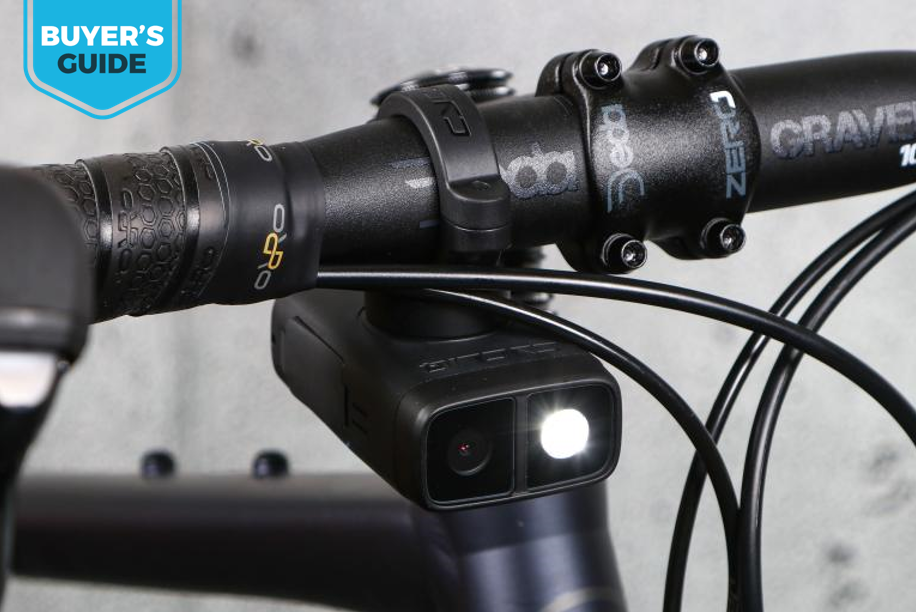
Best Cycling Cameras for Bike Touring: Essential Features Guide
Bike touring offers an unparalleled sense of adventure, freedom, and discovery. Every pedal stroke takes you to new vistas, challenging terrains, and unforgettable encounters. While the memories etched in your mind are priceless, having high-quality footage allows you to relive those moments, share your journeys with others, and inspire future adventures. This is where a dedicated
bicycle camera becomes an indispensable piece of gear.
Gone are the days when a simple point-and-shoot camera was sufficient for capturing the dynamic world of cycling. Modern technology has revolutionized the capabilities of action cameras, making them more rugged, versatile, and feature-rich than ever before. If you're planning an epic bike tour, choosing the right cycling camera is crucial to ensure your footage truly reflects the experience. This comprehensive guide will walk you through the essential features to look for, helping you select the perfect companion for your two-wheeled expeditions.
Why a Dedicated Bicycle Camera is Essential for Bike Touring
When embarking on a multi-day or multi-week bike tour, your equipment needs to withstand a variety of conditions – from sunny days to unexpected downpours, smooth tarmac to bumpy gravel paths. Unlike a smartphone or traditional camera, a purpose-built
bicycle camera is designed for this very environment. These cameras are engineered for durability, often featuring robust casings and waterproofing right out of the box, eliminating the need for bulky, cumbersome protective gear.
Furthermore, the very nature of cycling demands a camera that can capture fast-moving action smoothly and reliably. The constant vibrations from the road, the varying light conditions as you move through different landscapes, and the need for hands-free operation all point towards specialized action cameras. From recording breathtaking panoramic views to documenting an unexpected mechanical fix, a well-chosen cycling camera ensures every aspect of your tour is preserved with stunning clarity and stability. Over the past decade, the evolution of these devices has been remarkable, transforming from rudimentary recording tools into sophisticated storytelling instruments capable of professional-grade output.
Key Features to Look For in Your Ideal Bicycle Camera
Choosing the best cycling camera involves balancing various technical specifications with your specific touring needs and budget. Here's a breakdown of the critical features that separate the best from the rest, ensuring your investment truly enhances your bike touring experience.
Video Quality and Resolution: Future-Proofing Your Memories
Without a doubt, video quality stands as one of the paramount features for any
bicycle camera. The jump from standard definition to high definition, and now to 4K and even 5K, has been transformative. While it might be tempting to think 4K is only useful if you have a 4K TV, the benefits extend far beyond your immediate viewing setup. Recording in higher resolutions like 4K or 5K provides significantly more detail and clarity, making your footage look crisp and professional.
More importantly, higher resolution offers invaluable flexibility in post-production. You can crop, zoom, and stabilize your footage without a noticeable loss of quality when outputting to lower resolutions like 1080p. This gives you immense creative control over your shots, allowing you to highlight specific elements of your journey. Furthermore, opting for 4K or 5K is a smart way to future-proof your recordings. As display technology continues to advance, your high-resolution archives will remain relevant and impressive for years to come. Just imagine being able to revisit your tour in stunning detail decades from now! To dive deeper into why this matters, read our article:
Upgrade Your Bike Tour Footage: Why 4K/5K Bicycle Cameras Matter.
Unshakeable Footage: The Power of Video Stabilization
Cycling, especially bike touring, often involves traversing diverse terrains – from smooth asphalt to rough gravel roads and even singletrack. These vibrations and bumps can make unstabilized footage almost unwatchable. This is why advanced video stabilization is not just a desirable feature, but an absolute necessity for a high-quality
bicycle camera.
Modern action cameras boast incredible electronic image stabilization (EIS) technologies, often marketed with proprietary names like GoPro's HyperSmooth or DJI's RockSteady. These systems use sophisticated algorithms and gyroscopes to predict and correct camera movements in real-time, resulting in remarkably smooth, cinematic footage, even when you're hurtling down a rocky descent. Optical image stabilization (OIS) is less common in small action cameras but can offer even better results by physically moving lens elements. When evaluating cameras, pay close attention to the stabilization capabilities; a camera with excellent stabilization will elevate your tour videos from shaky home movies to professional-looking travel documentaries.
Battery Life: Powering Through Long Rides
Bike tours often involve long days in the saddle, far from reliable power sources. Consequently, the battery life of your
bicycle camera is a critical consideration. While many action cameras offer around 1-2 hours of recording time on a single charge (especially when recording in 4K), this may not be enough for a full day of touring.
Look for cameras that feature easily swappable batteries. Carrying a couple of spare, fully charged batteries can significantly extend your recording capabilities throughout the day. Additionally, consider cameras that can be charged via USB-C while recording, allowing you to connect them to a power bank mounted on your bike. This provides a practical solution for continuous recording on extended legs of your journey. Factor in colder weather, which can reduce battery efficiency, and plan your power strategy accordingly.
Durability and Waterproofing: Ready for Anything
Your touring camera will face the elements, quite literally. Rain, dust, mud, and accidental knocks are all part of the bike touring experience. A robust and waterproof design is therefore paramount. Many high-end action cameras are waterproof to a significant depth (e.g., 10 meters/33 feet) without needing an additional case, making them ideal for unexpected downpours or even river crossings.
For cameras that aren't natively waterproof, ensure a reliable waterproof housing is available and easy to use. Beyond waterproofing, consider the overall build quality. Look for cameras with durable outer shells that can withstand bumps and scrapes. A resilient camera means one less thing to worry about when you're focused on the road ahead.
Sound Quality: Capturing the Atmosphere
While stunning visuals are key, good audio can truly immerse viewers in your bike tour experience. The rush of the wind, the crunch of gravel under your tires, bird song, or even your commentary can add immense value. However, integrated microphones on small action cameras often struggle with wind noise, especially at speed.
Some advanced
bicycle camera models include advanced wind-noise reduction technologies or offer external microphone compatibility. If capturing clear audio is important to you, investigate options for attaching an external lavalier microphone or ensuring the camera's built-in mics are strategically placed and protected. While an action camera is primarily a video device, don't underestimate the power of good sound to enhance your storytelling.
Mounting Options and Accessories: Versatility on the Go
The best camera in the world is useless if you can't mount it effectively to capture the angles you desire. A strong ecosystem of mounting accessories is crucial for a bike touring camera. Common mounting points include handlebars, seat posts, helmet, chest harnesses, and even directly onto your backpack straps.
Look for cameras that offer a wide range of official and third-party mounting options. Ensure the mounts are secure, easy to attach and detach, and provide adjustability for different shot perspectives. Quick-release mechanisms can be particularly handy for switching camera positions rapidly. Additionally, consider other accessories like lens protectors, spare batteries, memory cards, and perhaps a floaty attachment if you anticipate water-based activities.
Size, Weight, and Portability
When packing for a bike tour, every gram counts. A compact and lightweight
bicycle camera is always preferable. Modern action cameras are incredibly small and can fit into surprisingly tight spaces, making them easy to carry without adding significant bulk or weight to your setup. Their portability also makes them less intrusive when mounted, maintaining your bike's aerodynamics and handling.
Price Considerations: Balancing Budget and Performance
Finally, price will undoubtedly play a role in your decision. While you often get what you pay for in terms of features and performance, there are excellent options across various price points. Budget-friendly action cameras have improved dramatically, offering specs that rival high-end models from just a few years ago. However, investing in a mid-to-high-range camera often grants access to superior stabilization, better low-light performance, more robust build quality, and a wider array of accessories.
Consider your budget as part of the overall decision, but don't let it be the sole dictator. Think about the features that are most critical for your specific touring style. Sometimes, spending a little more upfront for a camera with advanced stabilization or longer battery life will save you frustration and disappointment down the road. For more insights into making a smart purchase, explore our guide:
Beyond Price: What to Look For in the Best Cycling Cameras.
Beyond Video: Still Photos and Other Considerations
While the primary function of a
bicycle camera for touring is video, most action cameras also offer excellent still photo capabilities. These often include various modes like burst shooting for action sequences, time-lapse photography for capturing the changing landscape, and even night photo modes. However, it's important to remember that an action camera is generally not designed to replace a dedicated mirrorless camera or even a modern smartphone for still photography. Think of its photo capabilities as a valuable bonus, particularly for wide-angle shots or quick snaps without pulling out another device.
Connectivity features like Wi-Fi and Bluetooth are also highly beneficial. They allow you to connect your camera to a smartphone app for remote control, live preview, and quick sharing of photos and short video clips to social media without needing to offload footage to a computer. This can be incredibly convenient when you're on the road and want to share a moment with friends and family.
Conclusion
Choosing the ideal
bicycle camera for your bike touring adventures is about more than just grabbing the latest model off the shelf. It's about carefully considering the essential features – from high-resolution video and advanced stabilization to robust battery life and versatile mounting options – that will genuinely enhance your ability to capture and relive your journeys. By prioritizing these elements, you'll equip yourself with a powerful storytelling tool that stands up to the rigors of the road and preserves every breathtaking view, challenging climb, and joyous descent. Invest wisely, and your bike tour memories will be captured in stunning detail, ready to be shared and cherished for a lifetime. Happy touring and happy filming!