Beyond Price: What to Look For in the Best Cycling Cameras
The open road, the wind in your hair, the rhythmic pedaling – cycling offers an unparalleled sense of freedom and adventure. Whether you're a seasoned bike tourist traversing continents, a weekend warrior exploring local trails, or a daily commuter seeking an extra layer of safety, capturing these moments has become increasingly popular. This is where a quality bicycle camera comes into play. But with a myriad of options flooding the market, how do you choose the right one? It's easy to get fixated on the price tag, but the true value of a cycling camera lies far beyond its initial cost. To truly record your rides with stunning clarity and reliability, you need to look at a combination of core performance features, durability, and practicality.
Gone are the days when a basic action camera was considered groundbreaking. Technology has evolved rapidly, making even budget-friendly models today surpass the capabilities of high-end cameras from a few years ago. The key is understanding which advancements truly matter for cycling. This guide will walk you through the essential features that separate the best cycling cameras from the rest, helping you make an informed decision that ensures your captured memories are as epic as your rides.
More Than Megapixels: Prioritizing Core Performance
When it comes to video recording, raw resolution isn't the only metric. How that resolution is delivered, stabilized, and complemented by audio makes a world of difference, especially in the dynamic environment of cycling.
Unshakeable Footage: The Power of Video Stabilization
Imagine reviewing your ride footage, only to find it a shaky, nauseating blur. This is the reality without robust video stabilization. Mounted on a bike frame, helmet, or handlebars, a bicycle camera is constantly subjected to vibrations, bumps, and sudden movements. This makes advanced image stabilization arguably the single most critical feature for any cycling camera.
- Electronic Image Stabilization (EIS): Most common, uses software to smooth out footage, often cropping the image slightly. Good entry-level option.
- Optical Image Stabilization (OIS): Uses physical mechanisms within the lens to counteract movement. Often found in higher-end devices, providing superior results.
- Hypersmooth/Rocksteady Equivalents: Proprietary, highly advanced digital stabilization systems (like GoPro's HyperSmooth or DJI's RockSteady) simulate gimbal-like smoothness, transforming jarring footage into buttery-smooth cinematic shots. For serious cyclists, these technologies are a game-changer, ensuring your viewers can enjoy your ride without feeling motion sickness.
Without top-tier stabilization, even high-resolution video can be rendered unusable. It's the foundation upon which all other video quality stands.
Crystal Clear Memories: Why Video Quality (4K/5K) is Non-Negotiable
While often commented that 4K is only useful if your TV supports it, recording in higher resolutions like 4K or even 5K offers significant advantages beyond immediate viewing. This isn't just about future-proofing your content, though that's a huge bonus. Higher resolutions capture significantly more detail, richer colors, and better dynamic range, making your footage more vibrant and lifelike. This detail allows for greater flexibility in post-production, enabling you to zoom, crop, and reframe shots without significant loss of quality.
Recording in 4K or 5K means your videos will look fantastic on current high-resolution displays and will be ready for whatever technological advancements the future holds, from larger monitors to perhaps even holographic projections! Don't forget to consider frames per second (FPS) too; 60fps or higher at 4K allows for smooth slow-motion effects, adding a professional touch to your ride highlights. For a deeper dive into why high resolution is essential, check out our guide on Upgrade Your Bike Tour Footage: Why 4K/5K Bicycle Cameras Matter.
Capturing the Soundtrack of Your Ride: Sound Quality
While the visual spectacle of cycling is paramount, good audio can elevate your videos from mere recordings to immersive experiences. The whir of your tires, the chirping of birds, the gentle murmur of a stream, or even your own commentary can add a layer of authenticity that silent footage simply can't replicate. Look for cameras with advanced wind noise reduction capabilities, as wind buffeting is a constant challenge for cameras mounted on bikes. Some premium models also offer external microphone inputs, allowing you to connect a dedicated mic for superior audio clarity, especially useful for vlogging or capturing specific ambient sounds without interference.
Built for the Road: Durability, Power, and Practicality
A great camera needs to withstand the rigors of cycling, perform reliably over long periods, and integrate seamlessly with your bike and gear.
Power Through Your Adventures: Battery Life
Long rides and multi-day tours demand excellent battery performance. There's nothing worse than running out of juice just as you hit the most scenic part of your route. When evaluating a bicycle camera, consider:
- Recorded Battery Life: Check the actual recording time, especially at higher resolutions and with stabilization active.
- Removable Batteries: The ability to swap out depleted batteries for fresh ones is crucial for extended adventures. Carry several spares!
- Charging Options: USB-C charging is standard and convenient, allowing you to top up using a power bank on the go.
For serious bike tourists, prioritizing a camera with robust battery life or readily available, affordable spare batteries is non-negotiable.
Ready for Anything: Waterproofing and Robust Design
Cycling exposes your gear to various elements – rain, mud, dust, and occasional impacts. A good cycling camera should be built to withstand these challenges. Look for models with native waterproofing (e.g., IPX8 rating) that can survive submersion without an additional housing, making them ready for sudden downpours or even shallow river crossings. Beyond water, a rugged, shock-resistant design is essential to protect against accidental drops, vibrations from rough terrain, and general wear and tear that comes with an active lifestyle. This durability ensures your investment lasts through countless adventures.
The Right Fit: Size, Weight, and Mounting Options
The physical attributes of your bicycle camera directly impact its versatility and your comfort. A compact, lightweight design is less obtrusive, especially if you plan to mount it on your helmet, where bulk can cause neck strain. However, smaller size shouldn't compromise performance.
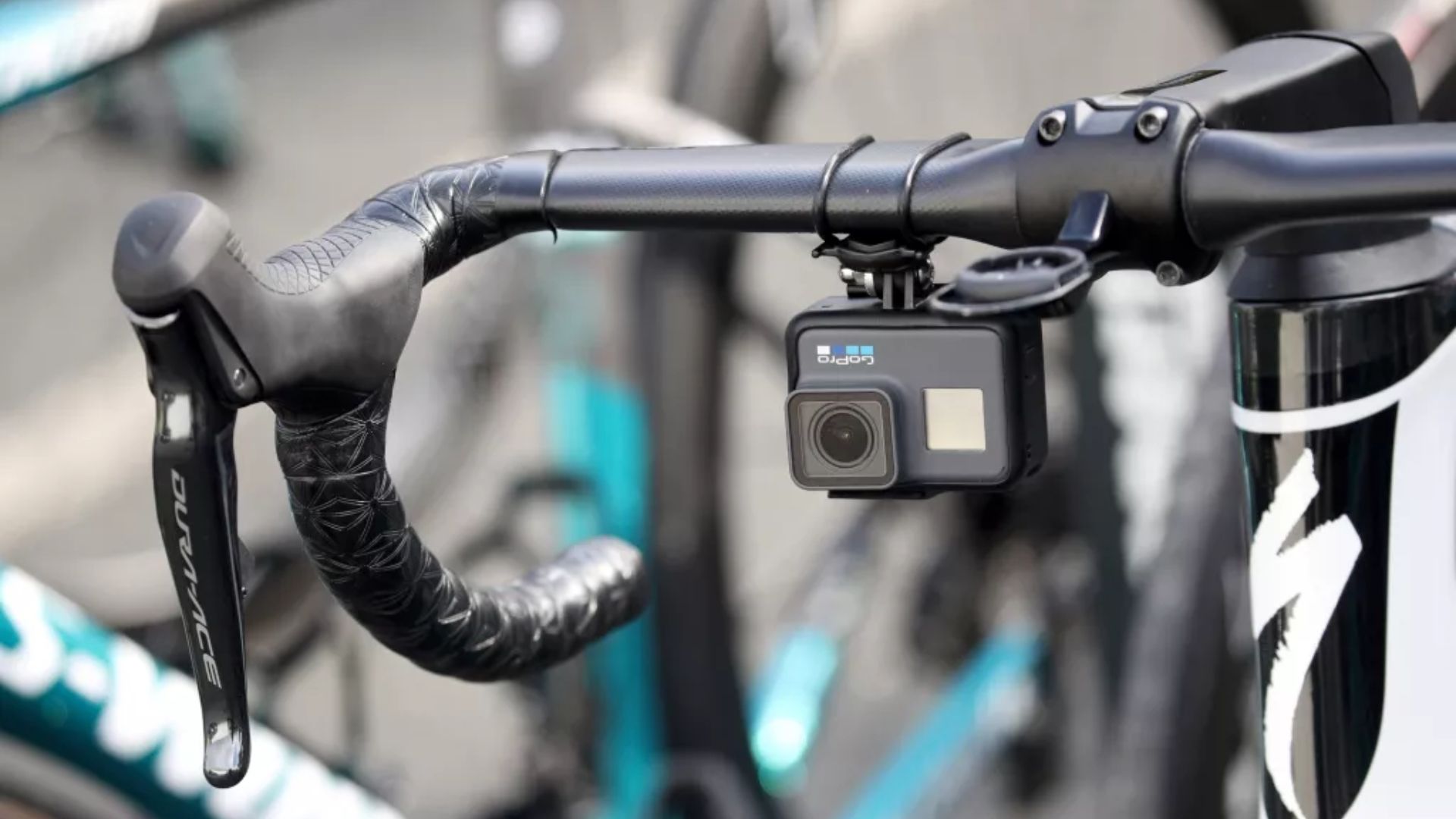
Equally important are the mounting options. A camera that uses the standard GoPro-style mounting finger system offers the widest compatibility with third-party accessories. Consider where you'll most often mount your camera: handlebars, seat post, helmet, chest, or even your backpack. The best cameras offer a variety of secure mounting solutions that allow for creative angles and steady shots. For comprehensive advice on essential features for bike touring, including mounting, read our Best Cycling Cameras for Bike Touring: Essential Features Guide.
Expanding Your Capabilities: Accessories and Future-Proofing
A camera system is often more than just the camera itself. A robust ecosystem of accessories and an eye towards future compatibility can significantly enhance your experience.
Beyond the Basics: Essential Accessories
While the camera body is the heart, accessories are the limbs that expand its functionality. When budgeting for your cycling camera, factor in essential add-ons:
- Extra Batteries: As mentioned, vital for longer rides.
- Memory Cards: High-speed, high-capacity microSD cards are a must for 4K/5K recording.
- Mounts: Handlebar mounts, helmet mounts, chest mounts, and flexible tripod mounts open up diverse perspectives.
- Protective Housing/Lens Guards: Even waterproof cameras can benefit from extra impact protection, and lens guards prevent scratches.
- External Microphone Adapters: If your camera doesn't have a built-in input, an adapter might allow for external mic use.
A rich array of readily available accessories often indicates a mature product ecosystem and can greatly enhance your recording flexibility.
Future-Proofing Your Investment: Why High Resolution Matters
Investing in a bicycle camera with high-resolution capabilities (4K, 5K) isn't just about showing off; it's a smart long-term strategy. As display technology continues to advance, your beautifully captured 1080p footage from today might look dated on the screens of tomorrow. High-resolution files retain more data, offering greater flexibility for cropping, reframing, and even extracting high-quality still images from your video. This means your footage remains relevant and visually impressive for years to come, truly preserving your memories in the best possible light.
The Holistic Approach: Investing in Your Ride's Story
Choosing the best bicycle camera means adopting a holistic perspective. While price is always a consideration, letting it be the sole deciding factor can lead to disappointment. Instead, focus on the synergy of features that align with your specific cycling habits and aspirations. Are you primarily recording for safety on commutes? Stability and reliable recording are key. Are you embarking on epic bike tours? Battery life, durability, and high video quality for cherished memories become paramount.
Remember that a great cycling camera isn't just a gadget; it's a tool for storytelling. It allows you to revisit challenging climbs, relive breathtaking descents, share unexpected encounters, and document the sheer joy of cycling. By looking beyond the sticker price and carefully considering stabilization, video and sound quality, battery life, durability, mounting options, and the accessory ecosystem, you can select a camera that truly captures the essence of your adventures and stands the test of time.